| Quick Facts | |
|---|---|
| Yoga studios in Ubud | 50+ registered studios and shalas |
| Popular retreat length | 3-7 days (short) · 2-4 weeks (deep immersion) |
| Cost (retreat package) | ₹35,000–₹1,50,000 depending on length and luxury tier |
| Best known retreats | Yoga Barn, Fivelements, Ubud Yoga House, Radiantly Alive |
| Hindu cultural connection | Balinese Hinduism shares roots with Indian Hindu traditions |
The Cultural Resonance Behind the Comparison
Bali's indigenous religion is Balinese Hinduism — a distinct tradition, but one that shares deep historical roots with Indian Hinduism, having arrived via Indian and Javanese cultural exchange over a thousand years ago. Temples across Ubud feature recognizable elements: Ganesha statues, purification rituals with holy water, offerings (canang sari) placed daily in a manner reminiscent of Indian puja practices, and a broader cosmological framework that Indian travelers often find intuitively familiar in ways that, say, Thai Buddhism or Vietnamese ancestor worship does not offer.
This is the foundation the "tropical Rishikesh" comparison rests on — not a superficial marketing label, but a genuine, centuries-deep cultural throughline that makes Ubud's spiritual tourism feel less like tourism and more like a recognizable, if geographically displaced, tradition.
What Ubud's Wellness Scene Actually Offers
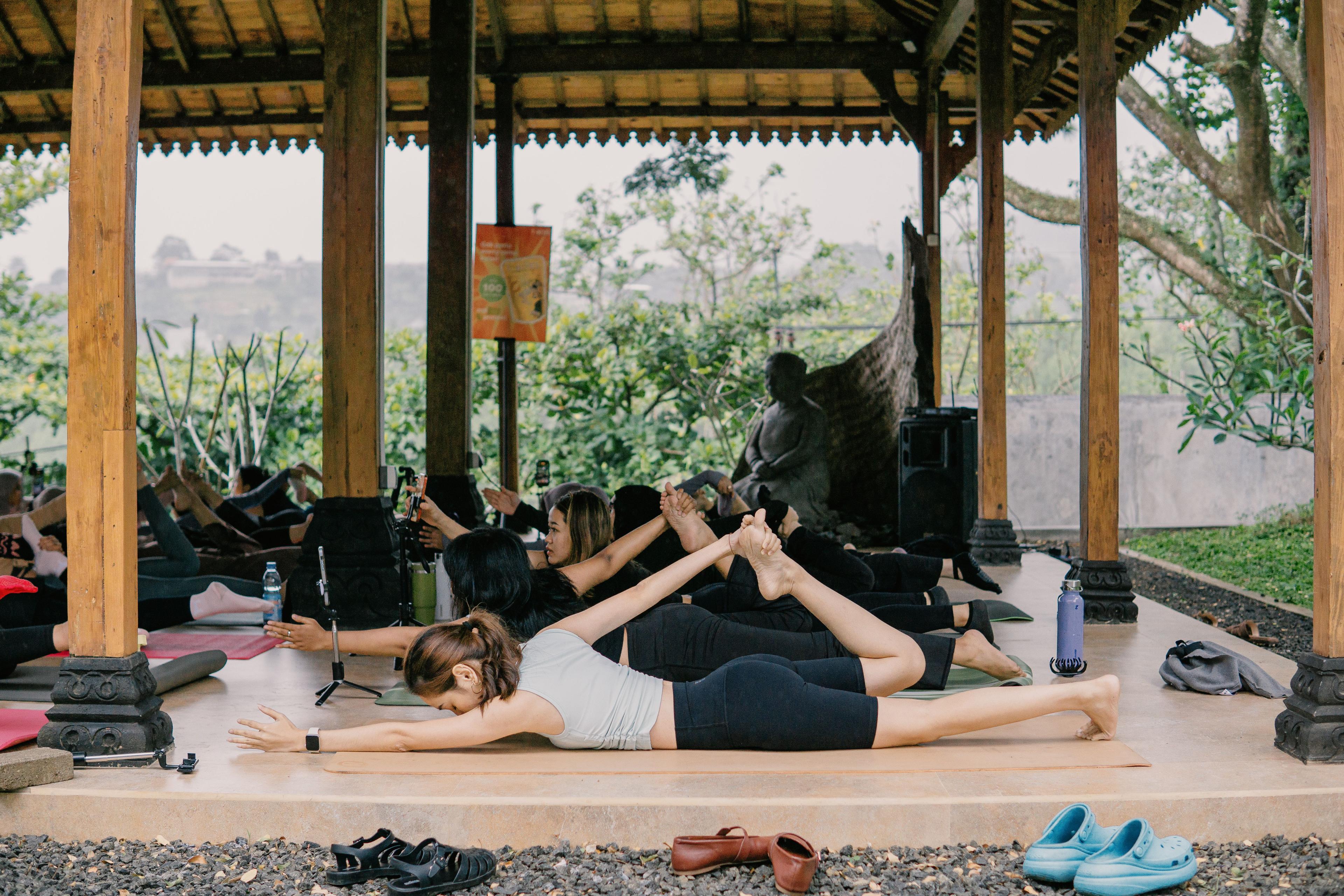
Yoga — every style, every level. From beginner hatha classes in open-air pavilions overlooking rice terraces to advanced ashtanga and vinyasa programs led by internationally certified teachers, Ubud's yoga infrastructure is genuinely comprehensive. The Yoga Barn, Ubud's most famous studio, runs 8-10 classes daily across multiple styles.
Sound healing and energy work. A significant and growing category — gong baths, crystal bowl sessions, Reiki, and various energy-healing modalities that blend Balinese traditional practice with globally popularized wellness trends. Fivelements Retreat is particularly known for its Balinese healing ceremony offerings.
Silent meditation and vipassana-style retreats. For travelers seeking deeper practice, Ubud and nearby areas offer structured silent retreats ranging from single-day experiences to 10-day immersive programs, often led by teachers trained in both Buddhist vipassana tradition and broader mindfulness methodology.
Plant-based and raw food culture. Ubud has one of the most developed plant-based restaurant scenes anywhere in the world relative to its size — Sayuri Healing Food, Alchemy, Zest, and dozens of smaller cafes serve elaborate raw, vegan, and Ayurveda-adjacent menus that go well beyond simple vegetarian accommodation.
Traditional Balinese healing (Usada). Balian (traditional healers) offer treatments rooted in centuries-old Balinese medicine — herbal remedies, energy balancing, and ritual practices. This is a genuinely distinct offering from generic "spa wellness" and draws travelers specifically interested in traditional, non-Western healing modalities.
💡 Insider Tip — Ubud's wellness scene ranges from deeply serious (multi-week teacher training programs, silent retreats) to casually accessible (a single drop-in yoga class, one sound bath session). You do not need to commit to a dedicated retreat to experience it — most Indian travelers get real value from simply adding 2-3 wellness activities to an otherwise standard Bali itinerary.
The Numbers Behind the Trend

A traditional Balinese purification ceremony — Usada healing rooted in centuries-old practice.
Ubud-focused wellness travel from India has grown substantially alongside Bali's overall 80% surge in Indian arrivals (covered in our dedicated Bali surge blog), but wellness specifically is growing faster than leisure travel overall — industry estimates suggest wellness-motivated Bali bookings from India have grown by over 50% year-on-year, outpacing the broader arrival growth rate.
This aligns with a broader global and Indian domestic trend toward wellness-motivated travel, but Bali's specific advantage is combining genuine spiritual/cultural resonance with international-standard infrastructure (English-speaking instructors, hygiene standards, easy booking systems) that domestic Indian wellness destinations do not always match.
How This Differs From Rishikesh Itself
Being fair to both destinations: Rishikesh offers something Ubud cannot replicate — direct access to the Ganges, India's own yogic lineage taught in its place of origin, and an ashram culture with centuries of unbroken tradition specific to Hindu philosophy. Ubud's wellness offering is more eclectic and globally blended — Balinese tradition mixed with imported yoga styles, Western wellness trends, and a broader "global wellness tourism" aesthetic.
For travelers seeking authentic, unbroken yogic tradition specifically, Rishikesh remains unmatched. For travelers seeking a genuinely restorative, culturally resonant, but more accessible and infrastructure-rich wellness experience — particularly combined with a tropical setting, good food, and comfortable accommodation — Ubud offers a compelling and increasingly popular alternative.
Ubud is not trying to be Rishikesh. It's offering Indian travelers something adjacent — familiar enough to feel resonant, different enough to feel like an actual holiday rather than a pilgrimage.
Building a Wellness-Focused Ubud Trip
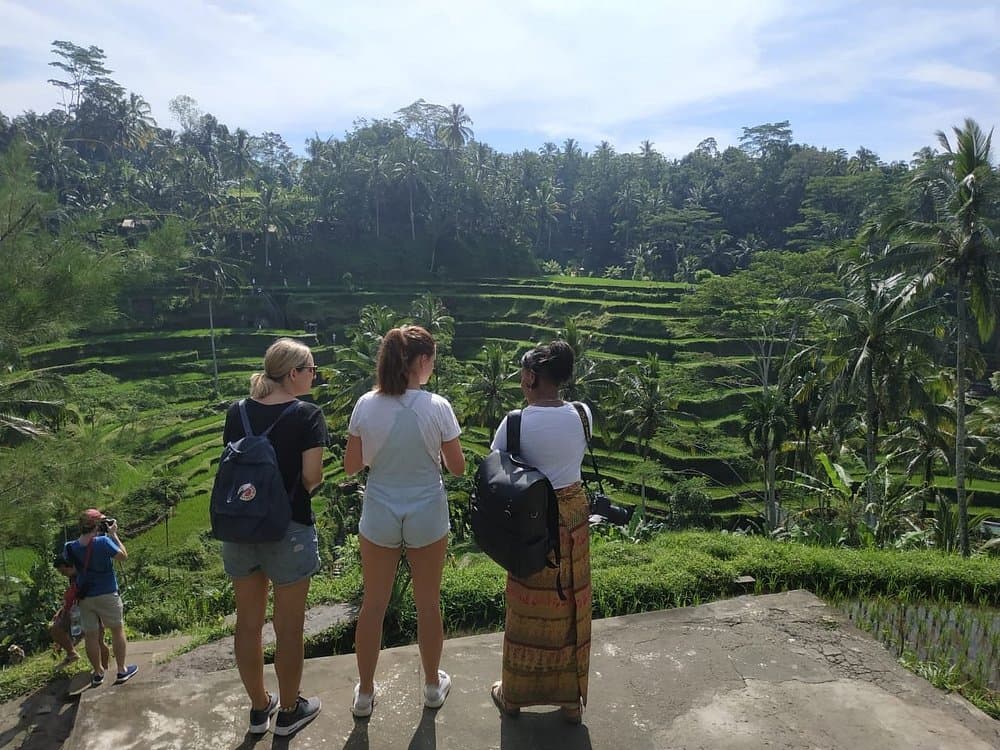
A well-structured 5-night Ubud wellness stay typically includes: daily yoga (either at your accommodation or a dedicated studio), 2-3 spa or traditional healing treatments, one sound healing or meditation session, plant-based dining throughout, and free time for rice terrace walks or temple visits that complement rather than compete with the wellness focus.
Accommodation-wise, several Ubud properties are built specifically around this — COMO Uma Ubud, Fivelements Retreat, and Bambu Indah offer integrated wellness programming as part of the stay itself, rather than requiring you to book external activities separately.
📲 Planning a Wellness Trip to Ubud? Let Crafted Vacays curate the right retreat, studios, and pace — from a single yoga class addition to a full immersive program. Get your free Bali itinerary →
The Bottom Line
Ubud's "tropical Rishikesh" reputation among Indian travelers is earned, not marketed — a genuine confluence of shared Hindu cultural roots, world-class yoga and wellness infrastructure, and a plant-based food culture that few destinations globally can match. Whether you come for a serious multi-week immersion or simply add a few wellness touches to a standard Bali holiday, Ubud offers something most beach-and-nightlife Southeast Asian destinations simply do not.
Rishikesh is where the practice began. Ubud is where a lot of Indian travelers rediscover it — with better coffee and a rice terrace view.
Crafted Vacays
Travel stories & guides for the modern Indian traveler.