| Quick Facts | |
|---|---|
| 2026 Indian arrivals | 1,000,000+ (projected, on track as of mid-year) |
| 2016 Indian arrivals | ~330,000 |
| India's rank as source market | Top 5 (with China, Malaysia, South Korea, Russia) |
| Average Indian tourist spend | ~USD 900 per trip |
| Direct flight growth (10 yrs) | From 4 Indian cities to 12+ |
The Numbers Behind the Milestone
Thailand's Tourism Authority has tracked steady, then accelerating, growth in Indian arrivals over the past decade. From roughly 330,000 in 2016, the number crossed 500,000 by 2019 (pre-pandemic peak), dipped sharply during COVID border closures, and then rebounded past pre-pandemic levels by 2023 — reaching approximately 800,000 in 2024 and now projected to exceed 1 million for full-year 2026.
This makes India one of Thailand's top five source markets by volume, and — more significantly for the Thai tourism industry — one of the fastest-growing in per-capita spend, as Indian traveler demographics shift from budget backpacker-style visits toward family holidays, honeymoons, and increasingly, wellness and luxury segments.
What Actually Drove This Growth
Direct flight expansion. A decade ago, direct flights to Thailand existed from only a handful of Indian cities — Delhi, Mumbai, and Kolkata primarily. Today, direct routes connect Bangkok and Phuket with over 12 Indian cities including Bengaluru, Chennai, Hyderabad, Ahmedabad, Pune, and increasingly tier-2 cities like Lucknow and Indore. This single change — removing the need for a layover — has been the single biggest driver of volume growth.
The 60-day visa-free policy. Extended from 30 to 60 days in 2024, this removed both a cost barrier and a friction barrier simultaneously, making Thailand meaningfully easier to visit than several competing destinations.
Wedding and MICE tourism. Thailand has aggressively courted the Indian destination wedding and corporate incentive travel (MICE) markets, with Phuket and Pattaya in particular building dedicated wedding-planning infrastructure specifically targeting Indian clients.
Bollywood and social media exposure. Multiple high-profile Bollywood productions filmed in Thailand over the past decade, combined with the broader social-media-driven travel content boom, kept Thailand visually present in Indian audiences' minds in a way few other destinations achieved.
What This Growth Means for You as a Traveler

Thailand has built infrastructure specifically around the growing Indian traveler segment.
Better infrastructure for Indian travelers specifically. Increased Indian arrivals have driven Thai hospitality businesses to adapt — more restaurants offering Indian and Jain food options, more hotels with Hindi-speaking staff, and tour operators building itineraries specifically calibrated to Indian family travel patterns (multi-generational groups, vegetarian dietary needs, wedding logistics).
More competitive pricing on Indian routes. Airlines respond to demand with capacity, and capacity growth generally puts downward pressure on fares over time, even as overall travel costs rise. Thailand-India routes are among the more competitively priced in Southeast Asia as a direct result of this volume.
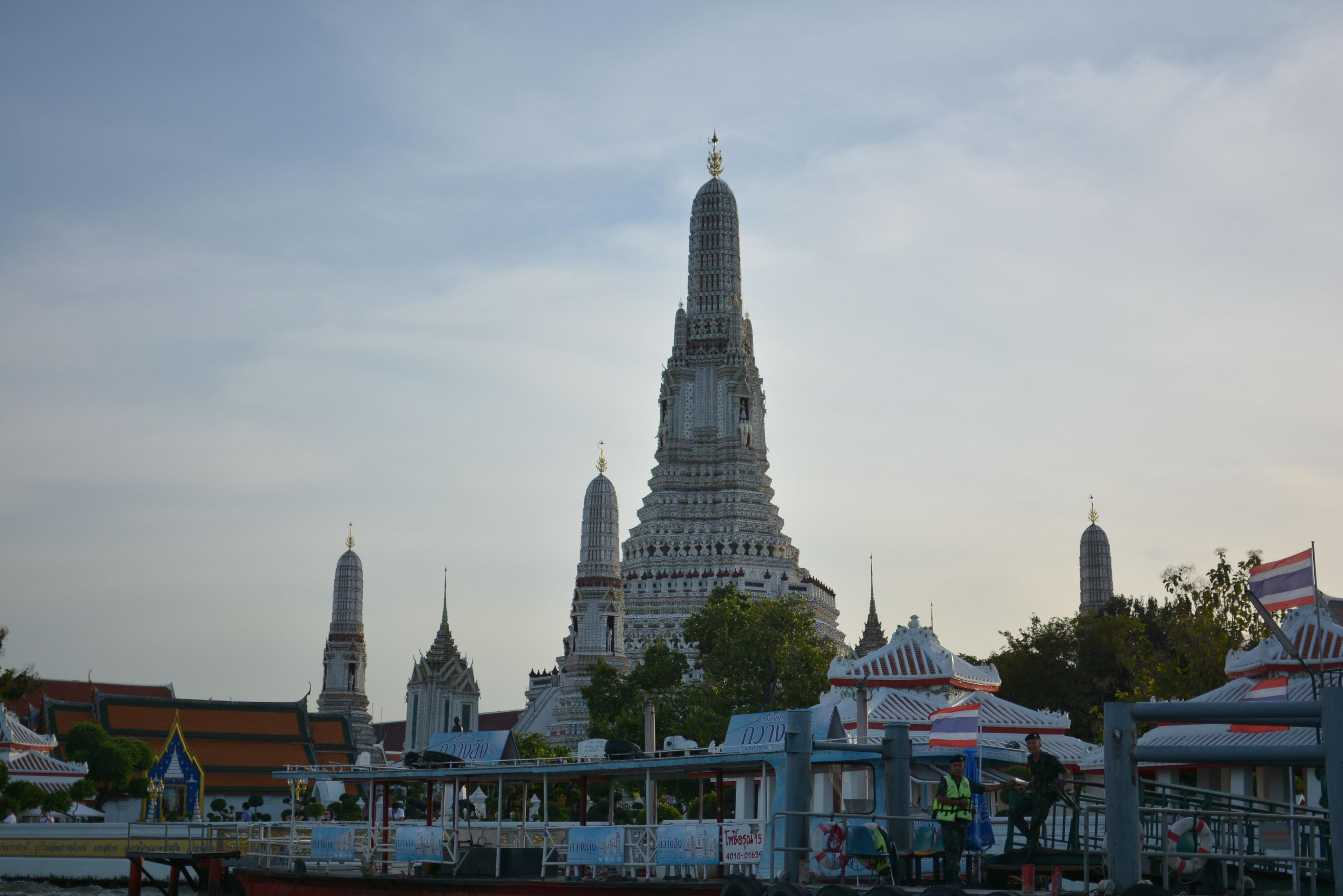
But also more crowding at popular sites. The flip side of a million Indian visitors (on top of tens of millions from other countries) is that popular sites — the Grand Palace, Phi Phi Islands, Phuket's main beaches — see meaningfully higher crowd levels during Indian holiday periods (Diwali, Christmas-New Year, summer school holidays) than a decade ago.
A million Indian visitors is not just a marketing statistic Thailand likes to cite. It represents genuine, structural changes to how the country's tourism industry operates — more flights, more culturally adapted services, and yes, more competition for the best photo spots.
The Traveler Segments Driving the Number
The million-visitor milestone breaks down roughly into: leisure family holidays (45%), honeymoon and couples travel (25%), solo and young-adult travel (15%), destination weddings and MICE (10%), and wellness/medical tourism (5%, but growing fastest).
This diversification matters — a decade ago, Indian Thailand travel skewed heavily toward budget backpacker and young-adult party travel (Pattaya, Bangkok's backpacker district). Today's million-plus visitors represent a much broader cross-section of Indian society, which is part of why Thai hospitality has adapted so extensively.
Should You Be Concerned About Overcrowding?
Being honest: yes, at the most famous sites, during the most popular times. Phi Phi Islands, the Grand Palace, and Phuket's Patong Beach during Diwali week are measurably busier than they were even five years ago. If pristine, uncrowded experiences are your priority, this argues for either off-peak timing (avoiding Indian and international school holiday periods) or choosing less-saturated alternatives (Krabi over Phuket, Koh Lanta over Phi Phi) as covered in our destination comparison guides.
But Thailand remains a large country with substantial capacity — even at a million-plus annual Indian visitors, the vast majority of the country outside a handful of iconic sites remains comfortably uncrowded.
📲 Ready to Be Part of Thailand's Growing Indian Traveler Community? Let Crafted Vacays build your itinerary with the right timing and locations to avoid the crowds. Get your free Thailand itinerary →
The Bottom Line
The million-visitor milestone is a genuine marker of how thoroughly Thailand has integrated into the modern Indian traveler's default holiday map. It reflects real infrastructure investment, real policy easing, and a real cultural shift in how Indians think about international travel. If you have not yet been, you are, statistically, increasingly the exception rather than the rule among your peer group — and Thailand has built more of its tourism experience around travelers like you than ever before.
A million people can't all be wrong about Thailand. They can, however, all be at Phi Phi Island on the same Tuesday in December — plan accordingly.
Crafted Vacays
Travel stories & guides for the modern Indian traveler.