| Head-to-Head | Malaysia | Dubai |
|---|---|---|
| Visa | Free for Indians (till Dec 2026) | Free or paid e-visa depending on emirate |
| Flight cost from India | ₹8,000–₹18,000 return | ₹15,000–₹35,000 return |
| Daily budget | ₹3,500–₹8,000 | ₹8,000–₹18,000 |
| Hotel value | 4-star at ₹4,000/night | 4-star at ₹9,000+/night |
| Weather | Tropical, 27–33°C year-round | Extreme heat May–Sep (45°C+) |
| Best for | Nature, beaches, food, family variety | Luxury, shopping, urban icons |
The Money Story — Malaysia Is Genuinely Half the Cost
For years, Indian travelers accepted Dubai's premium because the direct flights were cheap, the AED-INR was tolerable, and the "Dubai stopover" model made it a natural extension. That math has shifted.
Flights. IndiGo, Air India, and AirAsia have made Kuala Lumpur one of the cheapest international destinations from India — one-way fares from Chennai, Bengaluru, and Kolkata regularly drop below ₹8,700. Dubai fares climbed after fuel surcharges and Middle East tensions increased routing costs. In 2026, Delhi–KL round-trip runs ₹11,000–₹18,000 while Delhi–Dubai runs ₹18,000–₹28,000.
Hotels. Kuala Lumpur's 4-star hotels (Traders, Concorde, Wolo, Berjaya Times Square) run ₹3,500–₹5,500 per night. Comparable Dubai hotels in Downtown or Marina run ₹8,500–₹15,000. That is a 2.5x differential — over 6 nights, that is ₹40,000+ saved per traveler.
Food. Malaysian food is famously cheap — a mamak dinner is ₹300, a bowl of laksa is ₹250, a proper mid-range restaurant meal is ₹700. Dubai food, especially in tourist zones, runs 3–4x higher.
Total 6-night trip cost: Malaysia (all in) ₹45,000–₹70,000 per person. Dubai (all in) ₹85,000–₹150,000 per person. For an Indian family of 4, the Malaysia trip saves ₹1.5–3 lakh for a comparable-quality holiday. That is not a minor difference. That is a second vacation.
The Practical Story — Malaysia Removes the Frictions
Visa. Malaysia is visa-free for Indians until December 2026. Dubai's visa policy is more complex — free e-visa for many Indian travelers, but with paperwork, per-application fees for some cases, and specific rules around passport validity and hotel booking documentation. Malaysia is simpler.
Weather. Dubai in June, July, August is brutal — 45°C+ regularly, humid at the coast, and most outdoor activity moves indoors after 10 AM. Malaysia is tropical year-round: hot but rarely above 33°C, with occasional afternoon showers. This makes summer vacation timing (when Indian families actually travel because of school holidays) much more comfortable in Malaysia.
Language and cultural familiarity. Both are Indian-friendly, but differently. Dubai has a huge NRI population — you can go days speaking only Hindi or Tamil. Malaysia has 7% ethnic Indian population, so Little India in Brickfields (KL) or Georgetown (Penang) offers Indian food, temples, and Tamil/Hindi speakers, but you also engage with the broader Malaysian culture.
Time zone and flight duration. Both are 3–5 hours from India, so jet lag is a non-issue. Slight edge to Dubai for west India travelers, slight edge to Malaysia for east and south India travelers.
The shift from Dubai to Malaysia is not about which destination is "better" in an absolute sense. It is about which one delivers more of what most Indian travelers actually want — variety, value, and comfort — for less money.
The Experience Story — What Malaysia Offers That Dubai Doesn't

Genting Highlands — mountain weather, theme parks, and cool relief from the tropics.
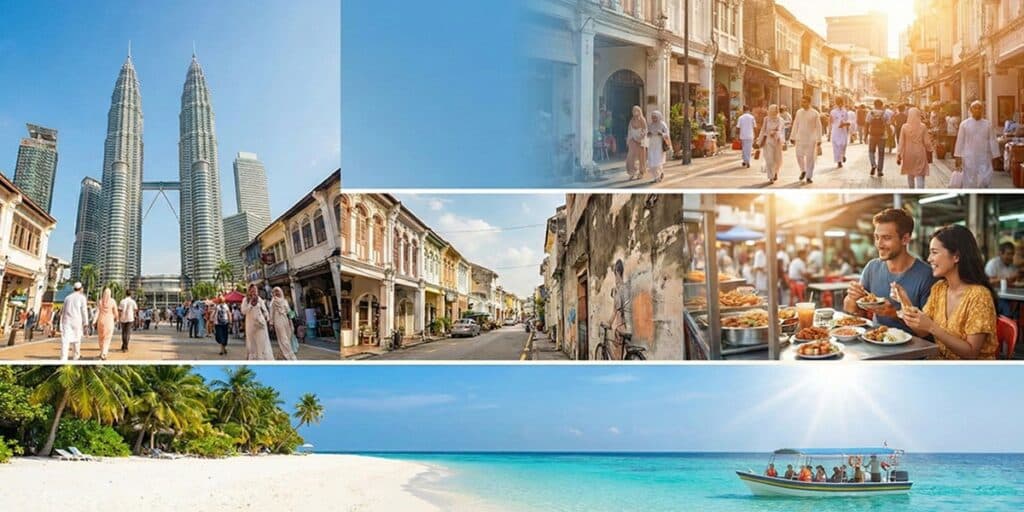
Nature and variety. Dubai is essentially a city trip with a desert safari and beach. Malaysia in 6 nights gives you a metropolis (KL), a mountain retreat (Genting Highlands or Cameron Highlands), an island beach (Langkawi), and a heritage city (Penang or Malacca). This diversity of experience in a single trip is what Dubai physically cannot offer.
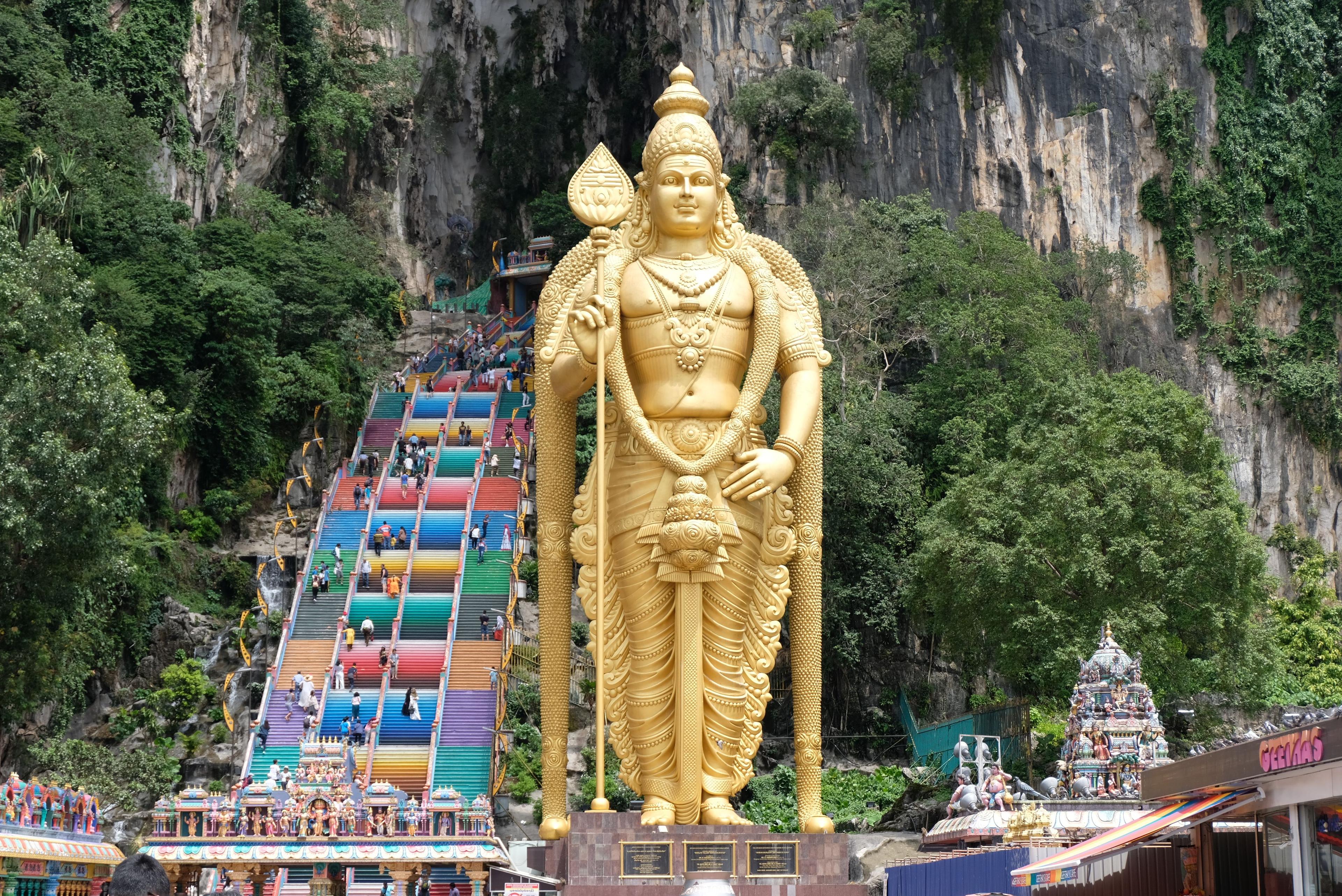
Family-friendly at every tier. Genting SkyWorlds (world-class theme park), Sunway Lagoon, Aquaria KLCC, Kidzania, Batu Caves, Langkawi Sky Bridge, Underwater World — Malaysia is a family paradise with entry costs a fraction of Dubai's IMG Worlds or Global Village.
Food you actually enjoy every meal. Malaysian food is genuinely one of the world's best cuisines — hawker culture in Penang is UNESCO-recognized. Dubai food is either global chains, Emirati luxury, or Indian restaurants, but "authentic local street food" is not Dubai's core strength.
Beaches that qualify. Langkawi, Perhentian, Redang, Tioman — proper tropical beaches with clear water and reef. Dubai's beaches are Persian Gulf coastline, warm but not turquoise, and largely engineered.
What Dubai Still Wins At
Being honest: Dubai still has advantages. Malaysia does not.
-
The urban icon experience. Burj Khalifa, Dubai Mall, Palm Jumeirah, Dubai Frame — Dubai's built-environment shopping/attraction experience is genuinely world-class. Nothing in Malaysia rivals the sheer wow-factor of standing on the 148th floor of the Burj.
-
Luxury shopping and hospitality. For pure luxury (5-star at Bulgari-Ritz-Carlton tier, extravagant dining, mall shopping), Dubai delivers a level Malaysia does not aspire to.
-
NRI comfort. For first-time international travelers who want to feel like they never left India, Dubai's overwhelming Indian population makes it psychologically easier.
-
Direct connections to Europe/US. If your Dubai trip is a stopover on a longer international journey, that convenience matters.
The Traveler Types Who Should Switch to Malaysia
Repeat Dubai visitors. If you have been to Dubai twice or thrice, Malaysia is the natural next destination — same regional access, more variety, half the cost.
Family travelers with young children. Malaysia's mix of theme parks, beaches, mountains, and cultural sites offers more per day than Dubai's mostly mall-and-attraction model.
Nature and food travelers. Malaysia's rainforest, wildlife, and food culture is unbeatable for travelers who want depth beyond urban icons.
Value-conscious middle-class families. The math is decisive. Same quality of experience at half the price.
Long-weekend travelers. Bengaluru and Chennai to KL is easier and cheaper than to Dubai.
💡 Insider Tip — If you can only afford one international family trip this year, Malaysia gives you 3–4x more experience per rupee than Dubai. If you can afford two, go to Dubai for the icons and Malaysia for the actual holiday.
The Combo Move — Malaysia + Singapore
The trend Crafted Vacays is seeing in 2026 is Malaysia + Singapore as the "Dubai replacement" for Indian families who want variety and luxury together. Fly into KL (cheap), do the Malaysian circuit (KL, Genting, Langkawi), cross into Singapore by land or short flight (world-class urban attractions, Universal Studios, Marina Bay Sands), and fly back to India from Singapore. Total 9 nights, total cost per person ₹75,000–₹1,20,000 — comparable to a 6-night Dubai trip, dramatically more content.
This is the combo that is actively replacing Dubai for Indian upper-middle-class family holidays.
📲 Planning a Malaysia or Malaysia + Singapore Trip? Let Crafted Vacays build the perfect Dubai-replacement itinerary. Get your free Malaysia itinerary →
The Bottom Line
Indian travelers are not abandoning Dubai. Dubai will remain a top destination. But for the traveler asking "where should my next international trip be if I want more experience for less money" — the answer in 2026 is increasingly Malaysia. The visa-free window (until Dec 2026), the direct flights, the value, and the sheer variety of experience have combined to move Malaysia from "underrated" to "obvious answer." Dubai got you started. Malaysia is where you go once you're done being amazed by shopping malls.
Dubai showed Indians the world. Malaysia is where they realized the world is bigger than one glass tower.
Crafted Vacays
Travel stories & guides for the modern Indian traveler.