| Quick Facts | |
|---|---|
| THB to INR (2026) | ₹1 ≈ THB 0.38 (vs ₹1 ≈ THB 0.45 in 2019) |
| Price increase since 2019 | ~15-20% in tourist zones |
| Still cheaper than | Maldives, Singapore, Bali (marginally), Europe |
| Daily budget (mid-range) | ₹3,000 – ₹7,500 |
| Best value months | June – September (monsoon, 30-40% lower rates) |
The Baht Story — What Actually Changed
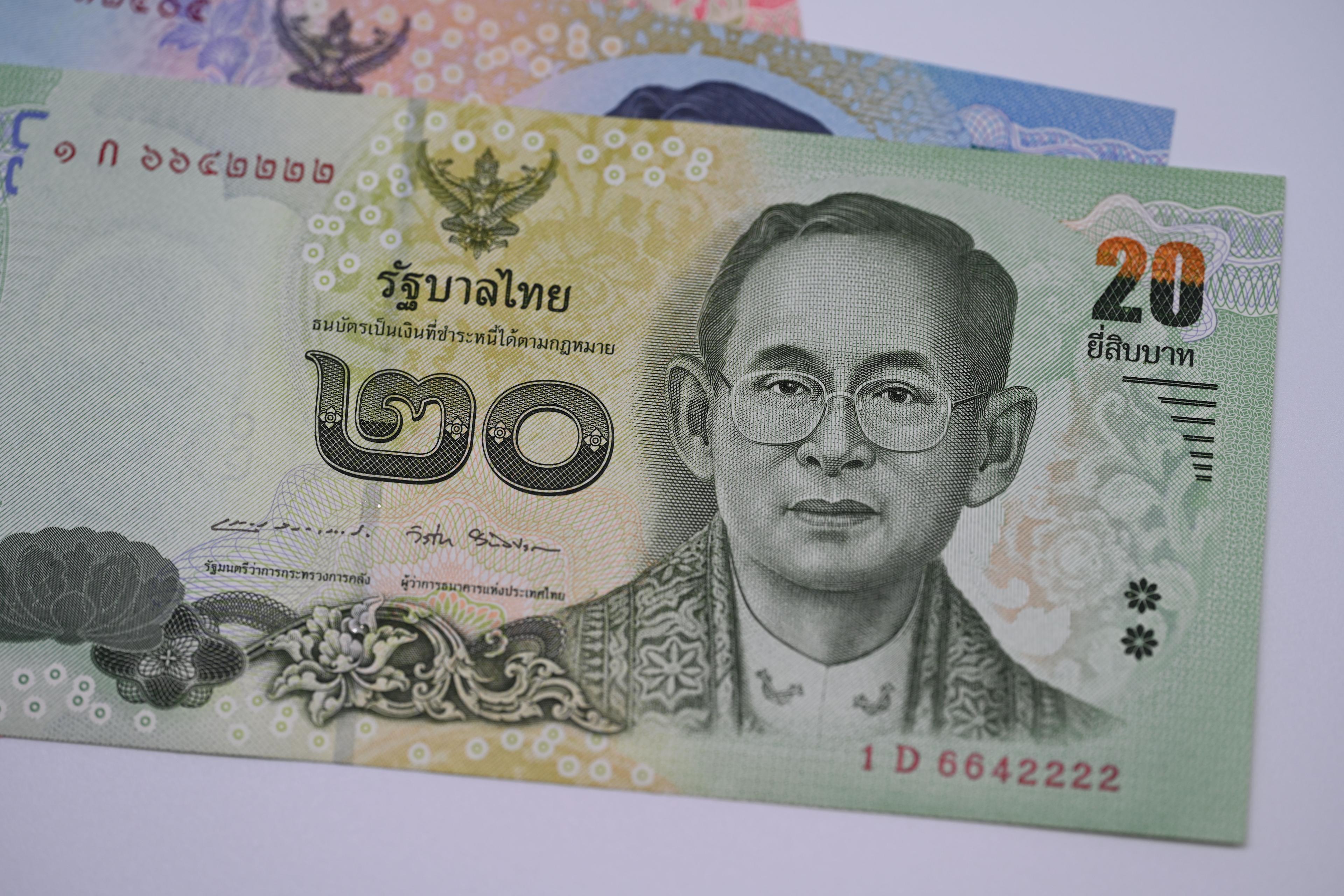
In 2019, one Indian rupee bought roughly 0.45 Thai baht. In 2026, it buys about 0.38 baht. That is a real, measurable 15-18% depreciation of the rupee against the baht over seven years — and it is the single biggest driver of "Thailand feels pricier" conversations among Indian travelers.
This is not a Thailand-specific problem. The rupee has weakened against most Asian currencies over this period, including the Vietnamese dong (though less so) and the Malaysian ringgit. Thailand's currency has simply been one of the stronger performers in the region, partly due to sustained tourism revenue and a stable current account.
What this means in practical terms: a hotel room that cost 1,500 THB in 2019 (then ₹3,375) costs 1,700 THB today (now ₹4,466) — even if the actual Thai price only rose modestly, the rupee conversion makes it feel like a bigger jump.
Where Prices Genuinely Went Up
Being honest about this matters more than defending Thailand reflexively. Some prices have risen beyond currency effects:
Phuket and Phi Phi Islands — the most touristed zones have seen real price inflation. A beachfront hotel in Patong that was ₹3,500/night in 2018 is now ₹5,500–₹6,500. Popular restaurants in tourist strips have raised prices 25-30% in real terms.
Bangkok's tourist-zone restaurants — Khao San Road and Sukhumvit's expat-heavy strips have seen menu prices climb, partly due to rising rents and partly due to sustained high demand from a broader mix of nationalities.
Popular activities — Phi Phi Island day tours, once ₹1,200, now run ₹2,000–₹2,500. James Bond Island tours have similarly climbed.
Grab rides in Bangkok during peak hours — surge pricing has become more aggressive as the app has grown.
Where Thailand Is Still Remarkably Cheap
Thailand's genius has always been that its "expensive" and its "cheap" exist five minutes apart. The tourist strip charges premium; the street two blocks away has not caught up.
Street food — a plate of pad thai from a cart is still ₹100–₹150. A bowl of khao soi in Chiang Mai is ₹150. This has barely moved in real terms.
Local transport — the BTS Skytrain in Bangkok, tuk-tuks negotiated properly, and Grab rides outside peak hours remain genuinely affordable.
Non-touristy neighbourhoods — stay in Ari or Thonglor in Bangkok instead of Sukhumvit Soi 11, and hotel prices drop 30-40% for comparable quality.
Massages — a one-hour Thai massage is still ₹400–₹600 almost everywhere outside 5-star spas. This has not meaningfully inflated.
Domestic flights — AirAsia and Nok Air routes between Bangkok, Phuket, and Chiang Mai remain some of the cheapest domestic flights in Asia, often under ₹2,500 one way if booked early.
The Real Comparison — Thailand vs Its Competitors
Bangkok street food — still one of the best value meals in Asia.
Here is the comparison that actually matters — not Thailand-2015 vs Thailand-2026, but Thailand-2026 vs its real competitors for Indian travel rupees:
| Destination | 6-night mid-range budget (per person) |
|---|---|
| Thailand | ₹55,000–₹80,000 |
| Bali | ₹65,000–₹95,000 |
| Vietnam | ₹50,000–₹75,000 |
| Maldives | ₹1,50,000–₹2,50,000 |
| Singapore | ₹90,000–₹1,40,000 |
| Europe (any) | ₹2,00,000+ |
Thailand sits comfortably in the affordable tier alongside Vietnam, and remains cheaper than Bali, Singapore, and dramatically cheaper than the Maldives or Europe. The "Thailand got expensive" narrative only holds up when compared against Thailand's own past — not against its current competitive set.
How to Thailand-Trip on a 2019 Budget in 2026
Travel monsoon season (June–September). Hotel rates drop 30-40%. Rain comes in short bursts, mostly afternoon. Flights are also cheaper in this window.
Skip Phuket's tourist strips. Choose Krabi, Koh Lanta, or Khao Lak instead — same Andaman coast beauty, 30-40% lower prices, and arguably better beaches.
Eat where locals eat. Any restaurant with an English-only menu and photos of the food is marked up. Any stall with a queue of Thai people is fairly priced and usually better.
Book domestic flights, not long taxi transfers. A Bangkok-Krabi flight at ₹2,000 beats an 8-hour taxi at ₹6,000.
Use Grab, negotiate tuk-tuks. Tuk-tuk drivers targeting tourists near major temples quote 3-4x the fair price. Grab removes the guesswork entirely.
💡 Insider Tip — The single biggest lever on your Thailand budget is which island or city you pick, not when you go. Phuket costs 40% more than Krabi for a comparable beach experience. Most Indian travelers pick Phuket by default because it's more "famous" — Krabi delivers the same holiday for meaningfully less.
The Honest Verdict
Thailand is more expensive than it was ten years ago — that part of the narrative is true, and pretending otherwise does Indian travelers a disservice. But "more expensive than a decade ago" is true of literally every travel destination on earth, India included. What matters is Thailand's price relative to its regional competitors today, and on that measure, Thailand remains one of the best-value international holidays an Indian passport can buy — especially against Bali, Singapore, or the Maldives.
The travelers who feel Thailand got "too expensive" are usually the ones comparing Phuket in July to Krabi in December, not Thailand to its actual alternatives.
📲 Planning a Thailand Trip on a Budget? Let Crafted Vacays build a value-optimized itinerary — the right season, the right islands, and the right balance of comfort and cost. Get your free Thailand itinerary →
Thailand did not get expensive. Phuket in December did. Thailand, the country, is still one of the best deals in Asia.
Crafted Vacays
Travel stories & guides for the modern Indian traveler.