| Quick Facts | |
|---|---|
| Campaign | TAT "Healing is the New Luxury" · Launched 2025, expanded 2026 |
| Wellness spend growth (India) | +45% YoY among Indian travelers to Thailand |
| Popular formats | Spa retreats, muay thai camps, meditation retreats, medical checkups |
| Top wellness hubs | Koh Samui, Chiang Mai, Phuket, Hua Hin |
| Average wellness package | ₹35,000–₹90,000 per person (5-7 nights) |
What "Healing Is the New Luxury" Actually Means
Thailand's tourism board built this campaign around a genuine insight: post-2022, affluent travelers globally have shifted spending from material luxury (5-star shopping, fine dining as the centerpiece) toward experiential and restorative luxury (retreats, personal transformation, physical and mental reset). Thailand, which already had world-class wellness infrastructure — Ayurveda-adjacent traditional Thai medicine, an enormous spa industry, and decades of medical tourism experience — repositioned to capture this shift specifically.
For Indian travelers, this lands at an interesting cultural intersection. India already has a strong wellness-tourism identity (Kerala Ayurveda, Rishikesh yoga) — but domestic wellness tourism in India can feel austere. Thailand offers the same restorative intent with 5-star infrastructure, English-speaking staff, and a genuinely relaxing tropical setting.
The Formats Indian Travelers Are Booking
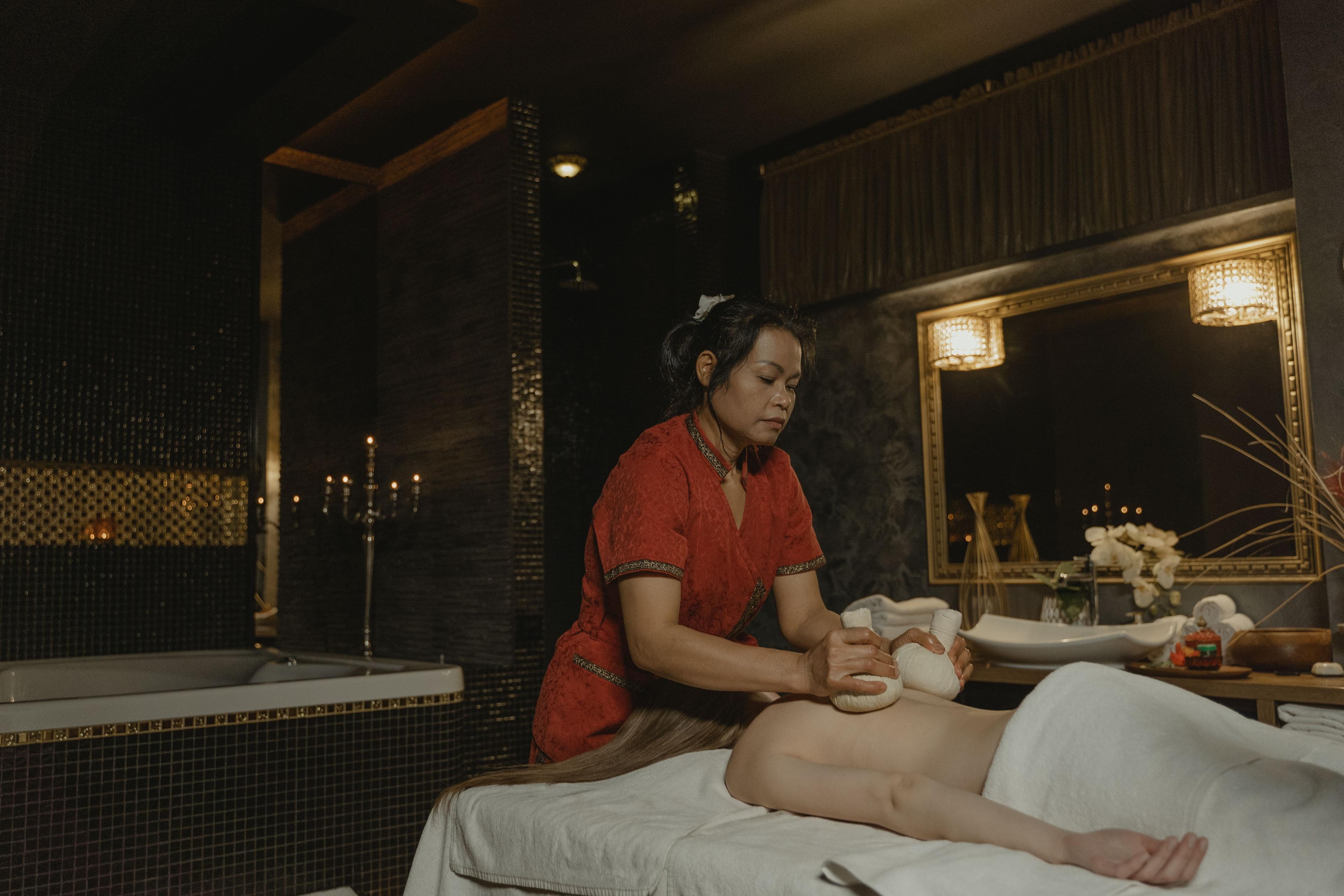
Spa and detox retreats (Koh Samui, Phuket). Multi-day programs combining daily massage, herbal steam, detox diets, and yoga. Kamalaya (Koh Samui) and Amatara Wellness Resort (Phuket) are the flagship names, though increasingly mid-range operators offer 3-4 night versions at accessible prices.
Muay Thai fitness camps (Phuket, Chiang Mai, Koh Samui). A genuinely different category — intense daily training combining traditional Thai boxing with fitness conditioning. Popular with younger Indian travelers (25-40) looking for an active holiday rather than a passive one. Tiger Muay Thai and Suwit Muay Thai are the most Indian-traveler-frequented camps.
Meditation and silent retreats (Chiang Mai, Chiang Rai). Buddhist monastery-affiliated programs, some fully silent for 3-10 days. A smaller but growing segment, often booked by Indian travelers already familiar with vipassana-style practice.
Medical wellness and checkups (Bangkok). Bumrungrad and Bangkok Hospital have built extensive "executive health check" packages combining comprehensive diagnostics with a few days of recovery-focused stay. This overlaps with medical tourism but is increasingly marketed as a wellness product for time-poor professionals.
💡 Insider Tip — You do not need a dedicated 7-night wellness retreat to benefit from this trend. Adding 2 spa days and one muay thai trial session to an otherwise normal Phuket beach holiday gives you a taste of the wellness positioning without committing an entire trip to it.
Why Koh Samui Has Become the Wellness Capital

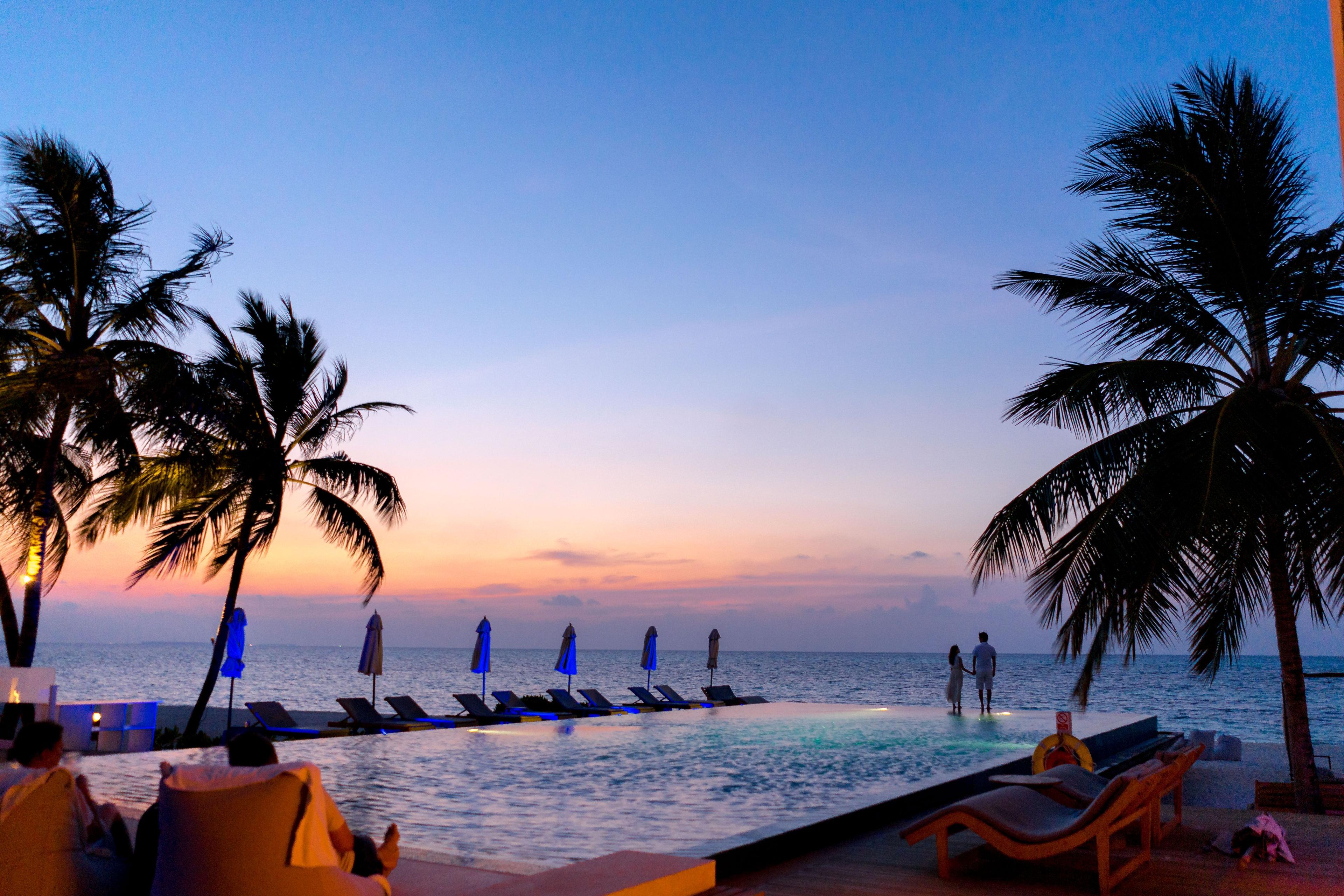
Koh Samui — Thailand's dedicated wellness island, quieter than Phuket, built for retreat.
Koh Samui has deliberately differentiated itself from Phuket's party-and-beach positioning by leaning hard into wellness. The island has the highest density of dedicated retreat resorts in Thailand, a slower overall pace, and direct flights from Bangkok that make it accessible without an overland transfer.
For Indian travelers specifically, Koh Samui offers something Phuket increasingly does not: quiet. As Phuket's tourist volume has grown, the beach-club energy has intensified. Koh Samui has held onto a calmer identity, which is exactly what the wellness-seeking traveler wants.
The Price Reality
Wellness tourism is priced at a premium over standard beach holidays — this is true globally, and Thailand is no exception. A 5-night dedicated wellness retreat with daily treatments, curated meals, and structured programming runs ₹60,000–₹1,50,000 per person, considerably above a standard Phuket beach trip.
But there is a genuinely accessible middle tier: 3-4 star wellness-focused resorts in Koh Samui and Hua Hin offering a "lighter" version — daily yoga, one spa treatment included, healthy meal options — at ₹35,000–₹55,000 per person for 5 nights. This is where most Indian bookings are actually landing, rather than the ultra-premium Kamalaya tier.
Who This Trend Is For
Burnt-out professionals — the classic wellness-retreat customer, 30-50 age group, seeking genuine disconnection and reset.
Post-milestone travelers — increasingly common after a major life event (job change, health scare, divorce, milestone birthday) as a deliberate reset trip.
Fitness-focused younger travelers — the muay thai camp crowd, usually 25-38, treating the trip as an active challenge rather than passive relaxation.
Couples seeking a different kind of honeymoon — a growing niche booking spa-and-wellness honeymoons instead of the traditional beach-and-nightlife format.
Thailand did not invent wellness tourism. What it did was make wellness tourism feel like a holiday rather than a discipline — and that reframing is exactly what is drawing Indian travelers who find domestic wellness retreats too austere and Bali's wellness scene (concentrated in Ubud) too crowded.
How This Differs From a Standard Thailand Trip
A standard Thailand itinerary is activity-dense — temples, islands, markets, nightlife, food. A wellness-oriented Thailand trip deliberately does less. Structured mornings (yoga, treatment), free afternoons, early nights, alcohol-optional or alcohol-free framing, and a slower overall pace. This is a genuinely different trip design, and travelers should be honest with themselves about which one they actually want before booking — mixing the two (a muay thai camp morning followed by a beach club night) is possible but works against the reset the format is designed to deliver.
📲 Planning a Wellness Trip to Thailand? Let Crafted Vacays curate the right retreat, resort, and pace for your goals — spa, fitness, or full silent reset. Get your free Thailand wellness itinerary →
The Bottom Line
Thailand's "Healing is the New Luxury" positioning is not a passing campaign slogan — it reflects genuine infrastructure and genuine demand, especially from Indian travelers who want restorative depth without domestic wellness tourism's austerity. Whether you book a full retreat or simply add wellness elements to a standard trip, 2026 is the year Thailand's spa and wellness scene has matured enough to be a primary reason to go, not a side activity.
The old Thailand trip asked "what can I see?" The new one asks "what can I put down?"
Crafted Vacays
Travel stories & guides for the modern Indian traveler.