| Quick Facts | |
|---|---|
| Distance from Seminyak | Sidemen: 1.5 hrs · Lovina (North Bali): 3 hrs · Munduk: 2.5 hrs |
| Crowd level | Dramatically lower than Ubud/Seminyak/Uluwatu |
| Cost | 30-40% cheaper accommodation than South Bali |
| Best for | Second-time Bali visitors, nature lovers, photographers |
| Infrastructure | Improved significantly since 2022 (better roads, more homestays) |
Why This Shift Is Happening Now
Two things converged. First, Bali's South (Ubud-Seminyak-Uluwatu triangle) genuinely reached saturation — hotel rates climbed, wait times at popular spots grew, and the "authentic Bali" marketing increasingly rang hollow against Instagram-queue reality. Second, infrastructure in North and East Bali improved meaningfully. Roads that were rutted dirt tracks a decade ago are now paved. More homestays and boutique guesthouses opened. Wi-Fi, previously patchy, is now reliable enough for remote workers.
The result: a genuine "second Bali" opened up for travelers willing to go 90 minutes beyond the well-known triangle.
Sidemen — Bali's Rice Terrace Valley Without the Crowds
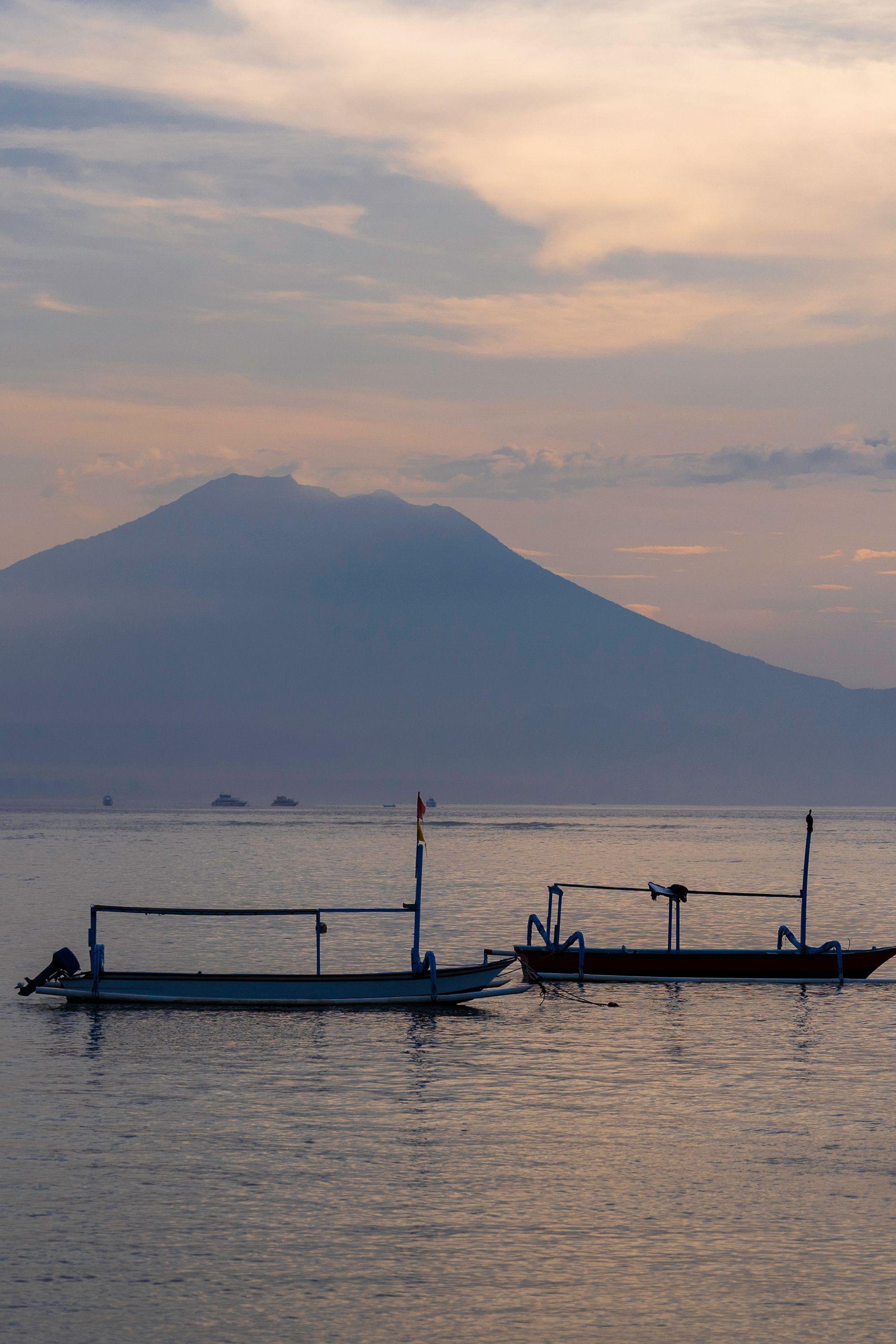
Sidemen sits in East Bali, in the shadow of Mount Agung (Bali's highest, most sacred volcano). Its rice terraces are, by most photographers' assessment, more dramatic than Tegallalang's — steeper, greener, and framed by the volcano's silhouette — with a fraction of the visitors.
There are no beach clubs here, no nightlife, no shopping streets. What Sidemen offers is genuine village life: rice farming still happens as a livelihood, not a tourist backdrop; family-run guesthouses (not international hotel chains); and a pace that forces you to slow down because there is, quite literally, less to rush toward.
What to do: trek through the rice terraces at sunrise, visit a traditional weaving workshop (Sidemen is known for endek and songket textiles), climb Mount Agung with a guide (challenging, 6-7 hours, start at midnight for sunrise summit), or simply sit on a guesthouse balcony and watch the valley for an afternoon.
Where to stay: Wapa di Ume Sidemen, Blue Lagoon Village, or one of the many family-run losmen (guesthouses) starting at ₹1,500 per night.
💡 Insider Tip — Sidemen works best as a 2-night addition to a standard Ubud-Seminyak trip, not a replacement for it. The contrast is the point — Ubud gives you culture and convenience, Sidemen gives you the Bali that culture came from.
North Bali (Lovina) — Dolphins, Black Sand, and Zero Crowds

Munduk's waterfalls — North Bali's cool-climate answer to the beach south.
Lovina, on Bali's north coast, is defined by black volcanic sand beaches, calm waters (protected by a reef, unlike the surf-heavy south), and one genuinely unique activity: dawn dolphin watching. Local fishing boats take visitors out at 6 AM to see wild dolphin pods — a far more authentic wildlife encounter than most "dolphin experiences" in tourist destinations, since these are genuinely wild, unfed pods following natural feeding patterns.
North Bali overall moves at a different pace than the south — fewer restaurants, fewer international visitors, more genuine local life. Combined with Munduk (a cooler hill-station town nearby, famous for waterfalls and coffee plantations), it makes for a nature-and-culture focused 2-3 night addition.
What to do: dawn dolphin watching boat trip, Banjar hot springs, Gitgit and Sekumpul waterfalls, coffee plantation tours in Munduk, and simply walking the quiet black-sand beach at sunset.
Where to stay: Damai Lovina Villas, Puri Bagus Lovina, or Munduk Moding Plantation for the hill-station experience.
Munduk — Bali's Cool-Climate Secret
Munduk sits at 1,000+ meters elevation in Bali's central highlands — genuinely cool weather (18-22°C), dense jungle, cascading waterfalls, and coffee and clove plantations. It is a completely different sensory experience from the tropical beach heat of the south, and increasingly popular with Indian travelers looking for a "hill station" feeling reminiscent of Munnar or Coorg, but in a Balinese setting.
What to do: waterfall trekking (Munduk waterfall and Melanting waterfall are both accessible), coffee plantation tours with tasting, and simply enjoying genuinely cool evenings after weeks of tropical heat elsewhere in Southeast Asia.
Building This Into Your Bali Trip
For first-time Bali visitors, the classic Ubud-Seminyak-Uluwatu circuit remains the right call — these areas are famous for good reason. But for second-time visitors, or first-timers with 8+ nights available, the smart itinerary now looks like:
Ubud (2 nights) → Sidemen (2 nights) → Munduk (1 night) → Lovina (1 night) → Seminyak (2 nights). This route takes you through Bali's cultural heart, its agricultural soul, its cool highlands, its quiet north coast, and finishes with the polish and beach-club energy of the south — genuinely showing the range of what the island offers.
The Bali everyone photographs is real. But it is not the whole story. North and East Bali are what Bali looked like before Instagram found it — and infrastructure has finally caught up enough to make visiting comfortable.
Practical Considerations
These areas require a private driver — Grab and Gojek do not reliably operate outside the South Bali/Ubud zone. Budget ₹2,500-3,500 per day for a driver with an SUV suited to hill roads. Distances feel longer than they look on a map — Bali's roads are winding and single-lane in rural areas, so a "40km" drive can take 90 minutes.
Accommodation is simpler here — fewer 5-star options, more boutique guesthouses and family-run villas. This is generally viewed as part of the charm rather than a downside, but travelers expecting Seminyak-level luxury should adjust expectations accordingly.
📲 Planning a Second Bali Trip? Let Crafted Vacays build the off-the-circuit itinerary — Sidemen, Munduk, and Lovina, with private drivers and the right guesthouses. Get your free Bali itinerary →
The Bottom Line
If your first Bali trip was Ubud-Seminyak-Uluwatu, your second should not repeat it. North and East Bali — Sidemen's rice terraces, Munduk's cool jungle, Lovina's quiet black-sand coast — offer the Bali that drew everyone here in the first place, before it became one of Asia's most popular islands. The infrastructure has caught up. The crowds have not followed. That window will not stay open forever.
Every popular destination eventually splits into the version everyone visits and the version that's actually there. Bali just split. North Bali is where the island still is.
Crafted Vacays
Travel stories & guides for the modern Indian traveler.